
Our Work
As we begin this journey, we intend to conduct studies to assess micro-entrepreneurs’ awareness of food safety.
Food is Not Enough – It Must Be Safe, Nutritious, and Equitable
This situation poses a threat to the future well-being and development of citizens and hinders India’s progress as a nation. Multiple stakeholders across sectors must coordinate their actions to address this challenge.
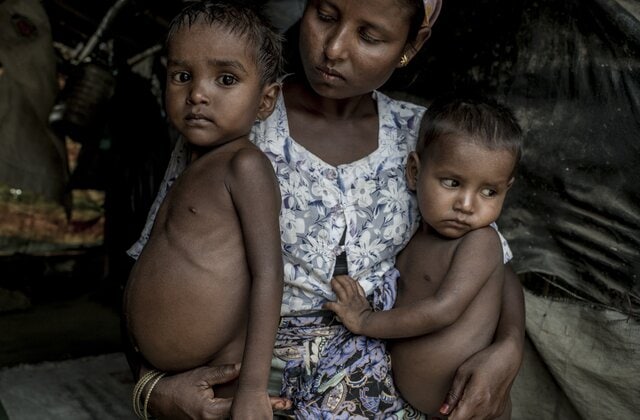
Child Growth and Development
According to NFHS-5 (2019–21), 35.5% of Indian children under five are stunted, 19.3% wasted, and 32.1% underweight, revealing a serious nutrition crisis that can lead to irreversible cognitive damage and hinder a child’s learning ability.
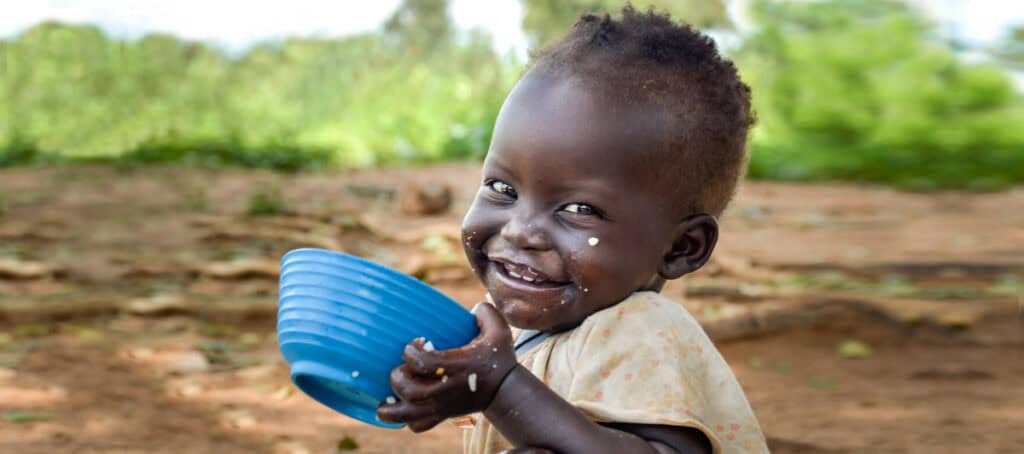
Food Security and Hunger Reduction
India ranks 111th out of 125 on the 2023 Global Hunger Index. As per UN FAO (2021), 74% of Indians cannot afford a healthy diet daily, revealing a critical challenge in achieving food security and nutritional equity.
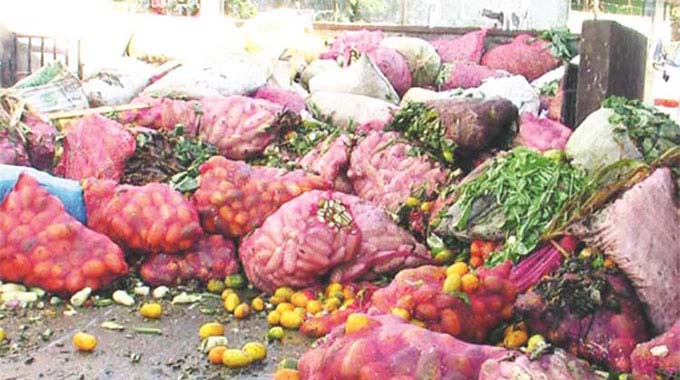
Agricultural and Supply Chain Integrity
Nearly 30 – 40% of India’s food is lost post-harvest due to poor handling and lack of hygiene infrastructure (FSSAI, MOFPI). Enhancing food safety practices can significantly reduce this waste, ensuring more nutritious food reaches consumers safely and efficiently.
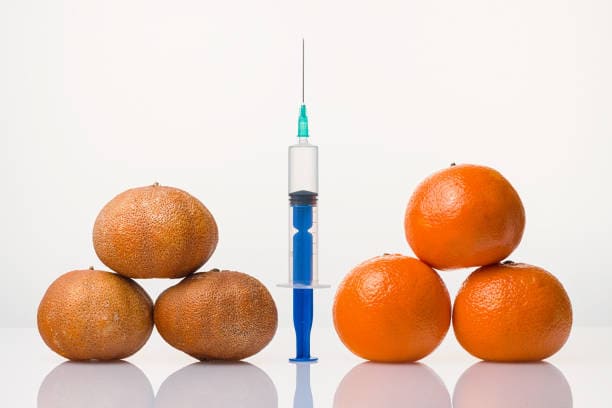
Consumer Awareness and Trust
According to FSSAI’s 2021 survey, over 50% of consumers expressed concerns about food adulteration. Food scandals like pesticide laced soft drinks and adulterated milk have deeply eroded public trust in the safety and transparency of food supply chains.
Global Trade and Compliance
India’s agro-exports face repeated rejections due to non-compliance with food safety norms, as flagged by the EU, RAPEX, and the US FDA. Strengthening adherence to Codex and international standards can significantly enhance export acceptability and boost earnings.
Equity and Access
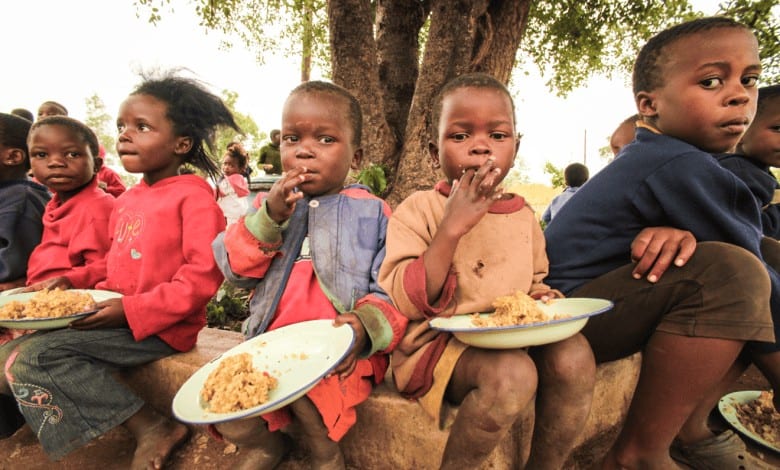
Nearly 190 million Indians face hunger daily (UN FAO), with malnutrition hitting rural, tribal, and urban slum communities. These inequities highlight the urgent need for inclusive policies ensuring equitable access to nutritious food for all.
INFOFO actively works to improve these conditions and contributes meaningfully to building a healthier, more resilient India.
Transforming Global Goals into Local Action
At least 400 million people have no basic healthcare, and 40% lack social protection. Good health drives sustainable development. Addressing social inequalities, climate threats, and emerging diseases through universal health coverage is vital to achieving SDG 3 and ensuring well-being for all in an interconnected, rapidly changing world.
Quality education is a powerful catalyst for social and economic change. It empowers individuals with knowledge, skills, and confidence, enabling them to break free from poverty and inequality. Universal, inclusive, and equitable education ensures every child, regardless of gender, location, or background, has access to lifelong learning and meaningful opportunities.
Globally, 2.3 billion people still lack access to basic sanitation, highlighting urgent infrastructure needs. Investing in sustainable infrastructure and innovation drives inclusive economic growth, generates employment, supports clean and affordable energy, and ensures all communities gain equal access to essential services, technology, and opportunities for a better future.
1.3 billion tonnes of food are wasted, even as nearly 2 billion people suffer from hunger or undernutrition, and 2 billion are overweight or obese. With the food sector contributing 22% of global emissions, adopting sustainable diets and reducing food waste can promote health, equity, and environmental sustainability.