
Food safety isn’t just about a bad meal, it’s about public health. If you’ve encountered a kitchen malfunction or a labeled product that’s gone bad, lodging a complaint about it can help others navigate the reporting process and help ensure that it doesnt continue.
Most people feel hesitant to make a scene, but reporting is an act of community service. We’ve all been there: you just sit down for a meal only to find something that definitely shouldn’t be on the plate or worse, you get sick. It’s tempting to just leave a bad review and move on, but formal reporting is the only way to prevent this chain.
It’s not personal, it’s professional. You aren’t trying to get a server fired; you are ensuring the kitchen’s hygienic, which is the bare minimum. The “Silent Victim” effect, for every one person who reports a foodborne illness, dozens more likely suffer in silence. Your report provides the data point needed to stop an outbreak.
Understanding FSSAI
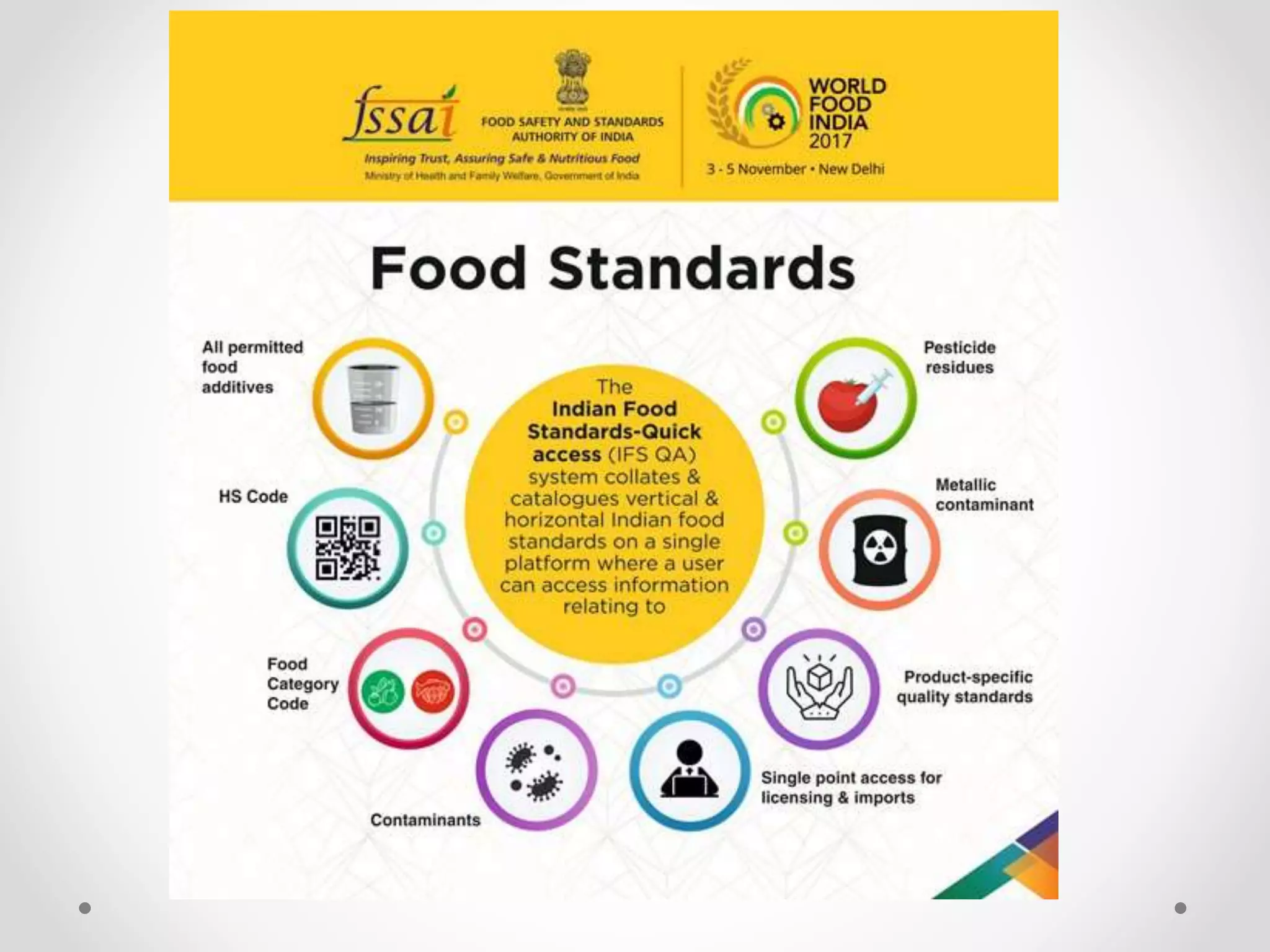
In India, the Food Safety and Standards Authority of India (FSSAI) is the supreme regulatory body. Every food business from a 5-star hotel to a local food stall must have an FSSAI license or registration number. Also look for the 14-digit FSSAI number printed on your restaurant bill or the back of any packaged food product. This is your “key” to filing a successful complaint.
Know Your Rights (The Consumer Protection Act, 2019)
- Right to a Refund: If the food is unsafe, you are entitled to your money back period.
- Medical Compensation: If the breach leads to hospitalization, the establishment may be liable for medical expenses.
- Anonymity: In many jurisdictions, you can file a health department complaint anonymously if you fear retaliation or simply want privacy.
- Right to Safety: Protection against marketed goods that are hazardous to life.
- Product Liability: If a food product causes injury or illness, the manufacturer or seller can be held legally liable for compensation in a Consumer Court.
- Misleading Ads: You can also report brands that make false health claims (e.g., a “sugar-free” snack that actually contains high glucose).
Evidence is Everything
Before you leave the place or throw away the packaging, you need a set of prerequsites like:
- Photos/Video: Clear shots of the foreign object, the undercooked meat, or the unsanitary conditions.
- Documentation: Keep your receipt! It proves you were there and identifies the server or batch number.
- The Physical Sample: If it’s a packaged good, don’t throw it out. You may need the lot number or the item itself for testing.
- The Timeline: Note the time of purchase and when symptoms started.
What Happens After You File?
The agency reviews your claim to see if it’s a high-priority health risk.
- The Unannounced Visit: An inspector will show up at the business to check the specific area you mentioned.
- The Report: The findings become public record. Most cities have a website where you can look up the “Health Grade” or inspection history of any restaurant.
- Resolution: The business is either cleared, fined, or given a “fix-it” period to correct the violation.
- While Google reviews warn other customers, they do not trigger a health inspection. A formal complaint is the only way to get a professional to walk through those kitchen doors.
How to draft a message
In India, a formal complaint carries more weight if you include the FSSAI License Number and mention the Consumer Protection Act. Since many complaints in India are now filed through the Food Safety Connect portal, the tone should be direct and evidence-heavy.
Subject: Formal Food Safety Complaint: [Restaurant/Brand Name], [FSSAI License No. if available], [Date]
To: The Designated Officer, [Name of City/District] / FSSAI Vigilance Cell,
I am writing to formally lodge a complaint regarding a food safety violation encountered on [Date] at [Establishment Name / Street Address / Online Delivery Platform].
Incident Details:
Item Purchased: [Name of dish, packaged product, or meat item]
FSSAI License Number: [Found on the bill or packaging]
Batch/Lot Number: [For packaged goods only]
The Issue: [Briefly describe: e.g., Presence of a foreign object (hair/plastic), stale/spoilt meat, unhygienic handling by staff, or symptoms of food poisoning]
Evidence Attached:
I have attached the following supporting documents for your investigation:
Invoice/Bill Copy: [Crucial for proving the transaction]
Photographs/Video: [Clear photos of the food/foreign object]
Medical Report: [If reporting food poisoning or illness]
I am reporting this incident to ensure compliance with the Food Safety and Standards Act, 2006. I request you to inspect the premises/batch and take the necessary corrective action to protect public health.
I look forward to an acknowledgment and a reference number for this complaint.
Sincerely,
[Your Name]
[Your Phone Number]
[Your Location/City]
Where to Lodge Your Complaint
India has digitized much of the grievance process. Here are the three most effective channels:
A. The “Food Safety Connect” Portal
The official FSSAI portal is the most direct way to alert authorities.
Website: Food Safety Connect
App: Download the “Food Safety Connect” app (available on iOS and Android). You can upload photos and geotag the location of the restaurant directly.
B. The National Consumer Helpline (NCH)
If you are seeking a refund or compensation for medical bills caused by food poisoning, the NCH is your best bet.
Toll-Free Number: Dial 1915
SMS: Text to 8130009809
Website: consumerhelpline.gov.in
C. Social Media
The FSSAI is surprisingly active on X (formerly Twitter). Tagging @fssaiindia with clear photos and the location often gets a faster initial response than a traditional form.
FAQs
“Is there a fee to complain?” No, filing a complaint with FSSAI or the National Consumer Helpline is free.
“Can I report a street food vendor?” Yes. Even small vendors are required to have a basic FSSAI registration.
“What if I don’t have a bill?” While a bill is the best proof, you can still report unhygienic conditions or sightings of pests in a kitchen without a purchase.